

All Locations
1 favorite
About this place
Serdrar: The Silent Sentinel of the Moroccan Steppe
Located deep in the arid plains south of the Atlas Mountains, Serdrar (near Tazzarine) is more than just a destination—it’s a hauntingly beautiful encounter with Morocco’s disappearing history. This almost abandoned settlement, characterized by its crumbling mud-brick (pisé) architecture, offers adventure riders a raw and unfiltered look at traditional desert life.
The Location & Setting
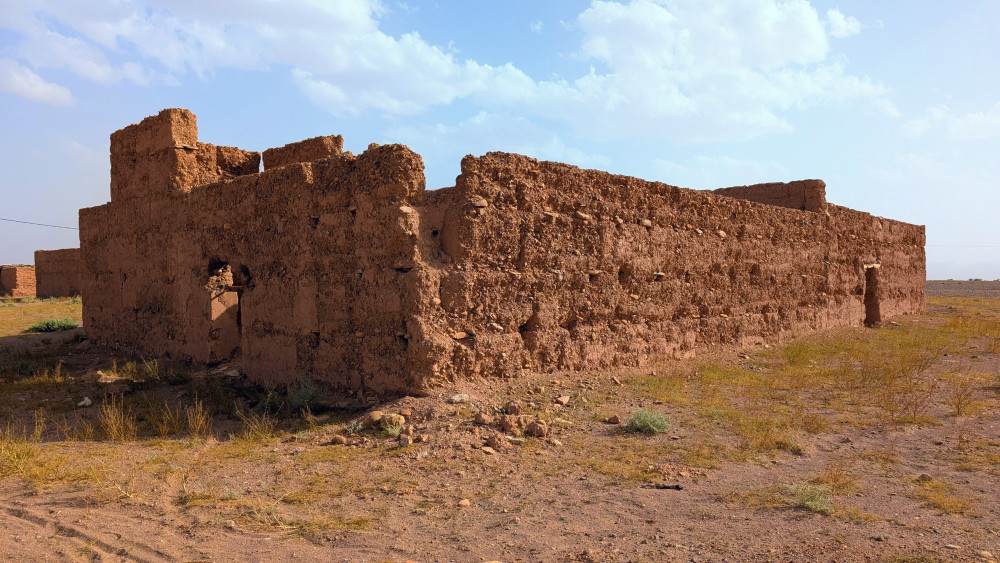
Positioned at GPS: 30.729777, -5.445713, Serdrar sits in a vast, open landscape where the desert floor is a mix of hard-packed earth and volcanic rock. The site is famous for its proximity to fossil-rich ridges and ancient rock carvings, but the village itself is the star for those who appreciate "Lost Places." The structures are a maze of earthen walls, many of which are returning to the soil from which they were built.
The Riding Experience
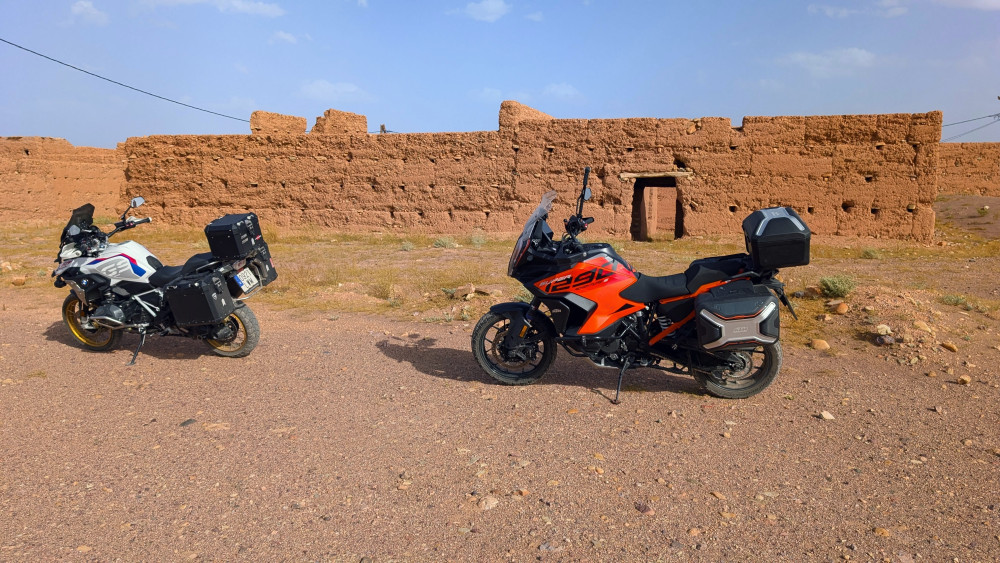
The Approach: Reaching Serdrar often involves navigating a mix of weathered asphalt and dusty tracks. The surrounding area is a playground for adventure bikes like the KTM 1290 Super Adventure or BMW GS series. The wide-open terrain allows for that liberating sense of "off-piste" riding, provided you keep an eye out for hidden washouts and soft sand patches.
A Photographic Backdrop: As seen in the provided images, the deep ochre and terracotta hues of the ruins provide a stunning contrast against the vibrant colors of a modern touring bike. The geometric patterns of the decaying Kasbah walls and the vast, empty horizon create a "post-apocalyptic" aesthetic that is gold for video creators and photographers.
Quiet Exploration: Unlike the bustling souks of Marrakesh, Serdrar offers absolute silence. You can park your bike right next to the ancient walls and wander through the empty doorways, feeling the pulse of a place that time has largely forgotten.
Highlights for Adventure Travelers
Fossil Hunting: The region is world-renowned for its Orthoceras and Ammonite fossils. You’ll often find small, local stalls or even find specimens yourself in the nearby rocky outcrops.
Remote Campsites: Near these coordinates, you can find eco-lodges and desert camps that cater specifically to the adventure community, offering a base to explore the "Jbel Saghro" mountain range to the north.
Authenticity: This isn't a tourist trap. It’s a genuine piece of Moroccan heritage, offering a quiet, reflective stop before heading further south toward the dunes of Merzouga.
Rider Tips
Surface: The ground around the ruins is generally firm gravel and dirt, making it easy to position heavy bikes for photos without fear of them sinking.
Sun & Shade: There is very little natural shade in this area. If you plan to spend time filming or exploring the ruins, try to arrive in the early morning or late afternoon to avoid the midday heat.
Navigation: While the site is near a main track, having a reliable GPS tool is essential as many desert paths in this region look identical and can lead you deep into the hamada (stone desert).
Photos
Coordinates
30.729777, -5.445713
Unpaved - Easy / Compacted
Rarely ever visited
Navigate (Phone)
Google Maps
Access type
Unpaved - Easy / Compacted
Suited vehicles
Adventure Motorcycle
Enduro Motorcycle
4x4 Car / Pickup / Small Van
4x4 Big Vans / RV
ATV
SSV
Best time to visit
Spring
Autumn